
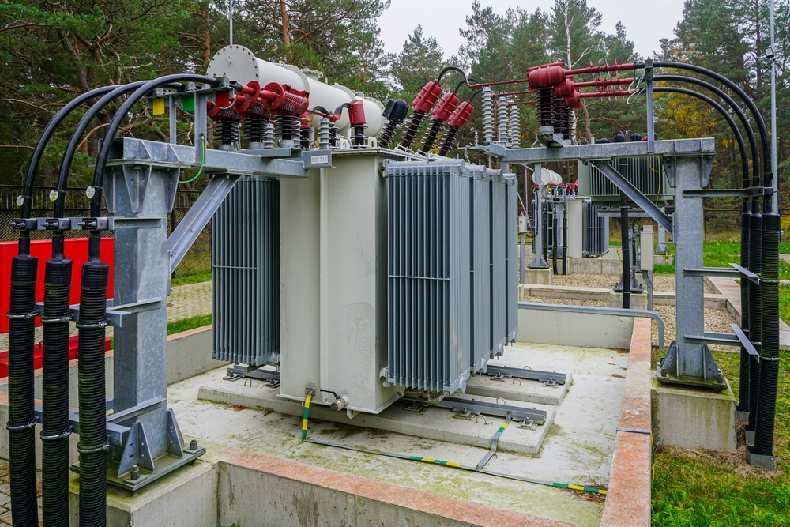
There was a time when a distribution transformer lived quietly on a pole or inside a yard, and nobody gave it much thought. Today, it is under pressure from every direction. Renewable energy, space limits in cities, rising efficiency targets, and customers who now expect zero downtime.
At Jaybee Industries, we see these changes from the inside. We do not just supply equipment. We work through design puzzles every week. This blog is our way of walking you through what is truly changing in this industry and why it matters to your network.
Before we go further, let us keep one thing clear. The distribution transformer is no longer a passive box. It is becoming a responsive, engineered system that must behave well under stress, noise, heat, voltage swings, and public scrutiny.
Why Traditional Designs Are No Longer Enough
Urban power demand does not grow in neat lines. It jumps. Solar rooftops push energy back into the grid. Electric vehicles draw heavy loads at random hours. All this lands on the same transformer that once only served lights and fans.
The old designs were not made for this. That is why many utilities are seeing overheating, short insulation life, and sudden failures.
Old vs New Design Thinking
| Aspect | Earlier Designs | Modern Approach |
| Core material | Standard CRGO steel | Laser-scribed, low-loss core steel |
| Cooling | Oil natural air natural only | Hybrid cooling paths and fin redesign |
| Monitoring | None or manual | Digital sensors, remote diagnostics |
| Installation | Large footprint yards | Compact enclosures for urban fit |
These shifts did not happen overnight. They came from years of field feedback, especially from distribution transformer manufacturers in India who work in dense and difficult networks.
Compact Footprints Without Compromise
Space is now a premium. In cities, utilities want transformers tucked beside buildings, under flyovers, or inside kiosks that do not block traffic.
At Jaybee Industries, we spend a surprising amount of design time on geometry. Every millimeter saved helps a customer fit the unit where no space existed before.
But shrinking a transformer is not about cutting corners. It requires better heat flow design, smarter oil circulation paths, and careful placement of windings to prevent hotspots.
This is where a serious distribution transformer supplier earns trust. A compact body that overheats is worse than a bulky one that works.
The Rise of Condition Monitoring
A transformer that can speak is a transformer that can survive.
We now integrate temperature probes, oil level indicators, and sometimes dissolved gas analysis points into many builds. This gives utilities a live window into what the unit feels, not just what it outputs.
This shift is driven strongly by distribution transformer manufacturers in India who supply to utilities that manage thousands of units across rural and urban grids. Remote insight saves truck rolls, saves downtime, and often saves the transformer itself.
Common Monitoring Add-Ons
- Winding temperature sensors
- Oil level and pressure switches
- Online moisture indicators
- Basic communication ports for SCADA
Not every project needs all of them. But the option to add them is now part of the design language.
Efficiency Is No Longer Optional
Losses are under scrutiny. Every watt wasted inside a transformer now shows up in tenders, audits, and long-term operating cost models.
Design teams today chase fractional improvements that once felt trivial. Core stacking angles, conductor shape, insulation spacing, and oil duct layout. It all adds up.
For a modern distribution transformer supplier, efficiency is not a claim. It is a spreadsheet of test data.
Sound Control in Public Spaces
As transformers move closer to people, noise becomes a problem. Humming that once disappeared in a substation now echoes through apartment windows.
Designers now use improved core clamping systems, vibration isolation pads, and smarter tank stiffeners to lower acoustic output. It is one of those quiet changes that only gets noticed when it is missing.
Where This Is Headed
We are slowly seeing the transformer merge with the substation. Modular kiosks, ring main units, smart breakers. The boundary is fading.
To conclude, it is impossible to ignore the connection with compact substation manufacturers in India, who are pushing fully integrated power delivery systems into areas that previously had no room for a traditional substation.
As this journey continues, the role of the distribution transformer will only grow in importance, not diminish. It remains the final handshake between the grid and the consumer. At Jaybee Industries, we are not watching this shift from a distance. We are designing inside it.
FAQs
Q. Why are modern transformer designs more compact today?
Modern distribution networks demand equipment that fits into tight urban spaces. New materials, smarter winding layouts, and improved cooling paths allow manufacturers to reduce size without risking heat buildup or insulation failure, making compact designs practical for today’s cities.
Q. How does monitoring improve transformer reliability?
Built-in sensors track temperature, oil condition, and internal pressure. These real-time data alerts utilities before faults become failures. It reduces emergency repairs and helps extend transformer life through planned maintenance instead of reactive shutdowns.
Q. What design change impacts efficiency the most?
Core material and construction methods lead the shift. Laser-treated low-loss steel and optimized stacking patterns cut no-load losses significantly, which reduces long-term operating costs even when the transformer is lightly loaded.
Q. Why is noise control becoming a design priority?
Transformers are now installed near homes, offices, and public areas. Poor acoustic control leads to complaints and relocation costs. Modern clamping, damping pads, and tank design lower vibration, making installations acceptable in populated zones.
Also Read:-
How Power Transformer Manufacturers Adapt to Evolving Energy Demands
Why Dry Type Transformers Are Preferred for Indoor Power Installations
More Useful Links:-
Isolation Transformer Manufacturer in India | Power Transformers Manufacturers | Dry Type Transformer Manufacturer in India