
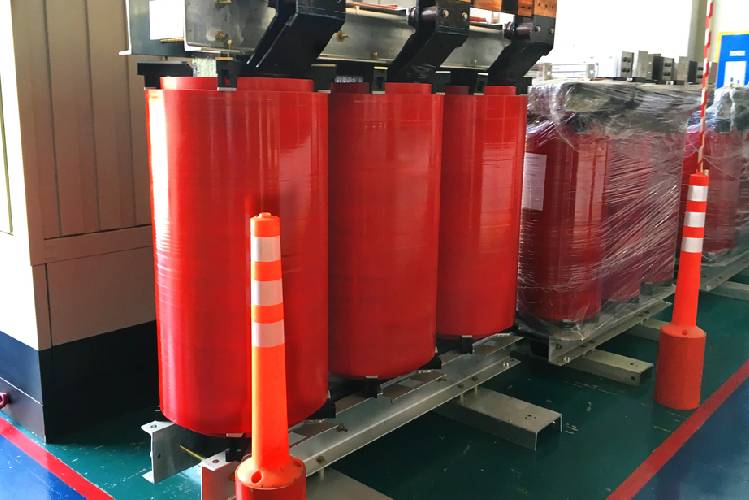
Indoor electrical spaces have changed. They are tighter, busier, and often placed right next to people, equipment, and sensitive systems. Power infrastructure can no longer be treated as something hidden away and forgotten. It must be safe to operate, easy to maintain, and dependable day after day.
This is where dry type transformers earn their place. At Jaybee Industries, we have seen how indoor power planning has shifted over the years. Clients no longer ask only about capacity. They ask about fire safety, ventilation, noise, and lifecycle performance. Dry technology answers these concerns with clarity.
Understanding the nature of indoor power environments
Indoor installations bring their own constraints. Limited airflow. Strict fire regulations. Human presence around electrical rooms. Any transformer placed indoors must operate cleanly and predictably.
Oil-filled units, while effective outdoors, introduce risks that indoor environments cannot easily absorb. Oil leakage, fire hazards, and complex containment systems raise both cost and concern. Dry type designs remove these variables.
What makes dry type technology suitable for indoor use
The absence of insulating oil changes everything. Windings are insulated using solid materials and air circulation handles cooling.
Key advantages include:
- No oil, which eliminates leakage risks
- Lower fire load inside buildings
- Minimal ventilation requirements
- Easier compliance with safety norms
These features are not theoretical. They show their value in daily operation.
Fire safety as a deciding factor
Fire safety drives most indoor transformer decisions. Dry type units are self-extinguishing by design and produce minimal toxic fumes during faults.
This makes them suitable for locations such as:
- Commercial complexes
- Hospitals and healthcare facilities
- Data centers
- Educational institutions
- Industrial control rooms
At Jaybee Industries, we often work with consultants who prioritize fire risk assessment before anything else. Dry technology simplifies those discussions.
Maintenance that fits indoor realities
Maintenance teams prefer systems that do not disrupt surrounding spaces. Dry type units require less intervention and fewer safety procedures.
Typical maintenance benefits
- No oil testing or replacement
- Reduced inspection frequency
- Cleaner operating environment
- Faster fault diagnosis
Over time, these advantages translate into lower operating effort rather than just lower cost.
Performance under varying loads
Indoor power demand fluctuates. Elevators start and stop. HVAC systems cycle. Equipment loads change throughout the day.
Dry type transformers handle these variations well when designed correctly. Proper thermal class insulation and cooling paths allow stable operation even during peak demand.
This is particularly important when specifying a dry type distribution transformer for buildings that operate continuously but unevenly.
Noise and comfort considerations
Indoor spaces demand quiet operation. Excessive transformer noise affects occupants and violates building standards.
Dry type designs, with precise core construction and vibration control, produce lower audible noise compared to many traditional alternatives. This matters in offices, hospitals, and residential towers where comfort is non-negotiable.
Medium voltage applications indoors
Indoor substations increasingly handle higher voltages due to space optimization. This has expanded the role of medium voltage dry type transformers.
These units offer:
- Compact footprint
- High dielectric strength
- Safe indoor operation without oil containment
- Compatibility with modern switchgear
They support dense urban infrastructure where outdoor substations are not feasible.
Comparing indoor transformer options
A simple comparison highlights why preferences have shifted.
| Parameter | Oil-Filled Transformer | Dry Type Transformer |
| Fire risk | Higher | Low |
| Maintenance effort | Moderate to high | Low |
| Indoor suitability | Limited | High |
| Environmental impact | Oil handling required | Cleaner operation |
| Installation complexity | Higher | Simpler |
The choice becomes clear when safety and practicality are weighed together.
Installation flexibility and design freedom
Dry type units allow architects and engineers greater freedom. They can be installed closer to load centers, reducing cable losses and improving efficiency.
This flexibility supports:
- Basement substations
- Rooftop electrical rooms
- Integrated building services floors
For us at Jaybee Industries, this adaptability often simplifies project coordination and speeds up commissioning.
Long-term reliability indoors
Indoor installations demand consistency. A transformer failure inside a building disrupts more than power. It affects people, operations, and reputation.
Dry type designs reduce failure points by removing oil-related risks. Solid insulation systems age predictably, making long-term planning easier.
Conclusion
Indoor power systems demand solutions that respect space, safety, and reliability. Dry type transformers meet these expectations without compromise, which is why their adoption continues to grow across sectors. As building designs evolve, we see closer integration between transformers, switchgear, and overall infrastructure planning. This also explains the increasing alignment with solutions offered by compact substation manufacturers in India.
At Jaybee Industries, we focus on delivering dry type transformers that fit indoor environments not just technically, but practically and responsibly.
FAQs
Q. Why are dry type transformers safer for indoor use?
Dry type transformers use solid insulation instead of oil, which removes leakage and fire risks. This makes them safer for enclosed spaces where people and equipment operate nearby, especially in commercial and institutional buildings.
Q. Do dry type transformers require special ventilation indoors?
They require basic airflow but not complex oil cooling systems. Most indoor electrical rooms can support them with standard ventilation, which simplifies building design and reduces installation cost.
Q. Are dry type transformers suitable for continuous operation?
Yes. When properly designed, they handle continuous and fluctuating loads well. Their insulation systems are built to manage thermal stress, making them reliable for round-the-clock indoor applications.
Q. How does Jaybee Industries support indoor transformer projects?
We work closely with consultants and facility planners to select, design, and install dry type transformers that align with space constraints, safety standards, and long-term performance needs.
Also Read:-
Key Advantages Of Using A Dry Type Distribution Transformer In Industries
Smart Cities Need Smarter Grids: The Dry Type Transformers Advantage
More Useful Links:-
Amorphous Metal Transformer | Inverter Transformer | Distribution Transformer