
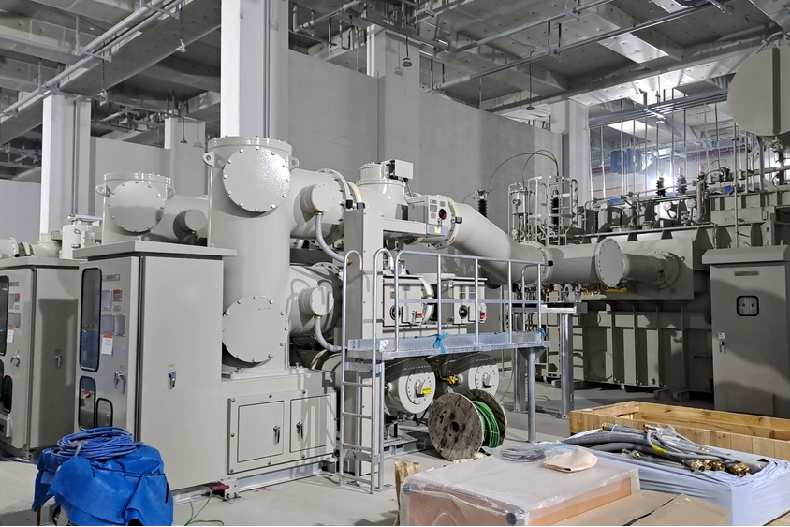
The power grid no longer moves in straight lines. Solar plants push electricity uphill, electric vehicles gulp power at odd hours, and urban demand never seems to sleep. Somewhere inside this chaos, utilities are asking a simple question. Who can still keep our systems steady? The answer, more often than not, is the same. It is the power transformers manufacturers who now carry more responsibility than ever before.
At Jaybee Industries, we do not meet utilities only at the delivery gate. We meet them in planning rooms, over drawings, over load curves, over small design choices that later decide whether a network breathes easy or struggles.
The Grid Has Changed, So Have Expectations
Utilities used to buy transformers as hardware. Today, they buy solutions.
The table below sketches how expectations have shifted over the past decade.
| Earlier Utility Needs | Today’s Utility Reality |
| Predictable loads | Sudden surges from EVs and rooftop solar |
| Central generation | Distributed energy everywhere |
| Long replacement cycles | Faster upgrades with tight shutdown windows |
| Manual inspection | Remote condition tracking |
This shift is why utilities lean so heavily on manufacturers of power transformers who understand real field conditions, not just drawings.
Design Is No Longer a Standard Exercise
Each network now tells a different story. Coastal regions need corrosion resistance. Industrial belts need overload tolerance. Cities want quiet machines that fit in impossible spaces.
A capable power transformer company in India does not push catalog models anymore. It listens, adjusts, recalculates. At Jaybee Industries, we often revise the same core design three or four times before a single lamination is cut.
Where Custom Design Matters Most
- Core steel selection for loss reduction
- Winding geometry to manage heat under fluctuating loads
- Insulation systems for polluted or humid environments
- Tank layout for transport through congested urban roads
This is not glamorous work. It is patient engineering. Utilities notice.
Reliability Is No Longer About the First Year
Earlier, if a transformer ran fine in the first twelve months, everyone relaxed. Those days are gone.
Utilities now track five-year, ten-year, and even twenty-year performance. They want life cycle confidence. That is why they work closely with manufacturers of power transformers who share test data, failure history, and improvement notes without hesitation.
What Utilities Ask for Today
- Factory acceptance test transparency
- Long-term thermal performance reports
- Material traceability
- Service support beyond warranty fine print
This is where being a power transformer company in India with local manufacturing makes a difference. Proximity reduces downtime. It also builds trust.
Manufacturing Is Now a Strategic Function
Factories are no longer just production halls. They are data centers in their own right.
At our Jaybee Industries facilities, we log winding tension, drying cycles, and oil filtration values. Every detail becomes part of the transformer’s birth record. When a unit enters service, we already know how it will behave under stress.
This level of discipline is one reason utilities now look at power transformers manufacturers not as vendors, but as long-term partners.
The Silent Push Toward Grid Stability
Many of the challenges utilities face do not show up in news headlines. Voltage flicker in industrial zones. Micro outages in rural feeders. Transformer humming, that annoys residents.
Solving these issues means stepping beyond the transformer alone. It means understanding how stabilizers, switchgear, and protection systems talk to each other. That is why we must mention that this partnership mindset also touches allied areas like the role of a servo stabilizer manufacturer in keeping sensitive loads safe during unstable supply conditions.
And this is where the full picture emerges. Utilities do not rely on hardware anymore. They rely on people, processes, and patience. They rely on power transformers manufacturers who are willing to walk into the messy parts of the grid and stay there until things work.
At Jaybee Industries, we take that responsibility seriously. Because in a grid that never stands still, reliability is not a feature. It is a relationship.
FAQs
Q. Why do utilities prefer working closely with manufacturers today?
Modern grids face unpredictable loads, renewable backfeed, and tight service windows. Utilities rely on manufacturers for design insight, long-term performance data, and quick service response, not just product delivery.
Q. How does custom design improve transformer life?
Custom designs match the transformer to real site conditions. This controls heat, insulation stress, and losses more accurately, which reduces premature aging and lowers maintenance costs across the equipment life cycle.
Q. What role does manufacturing data play in reliability?
Detailed manufacturing records help trace issues years later. When something drifts in performance, utilities and manufacturers can refer back to build parameters instead of guessing, saving time and preventing repeat failures.
Q. Why is local manufacturing important for utilities?
Local production shortens lead times, simplifies inspections, and speeds up service support. It also allows closer collaboration during design and testing, which improves the final product’s match with grid requirements.
Also Read:-
Design Shifts In The Modern Distribution Transformer Industry
Here’s Why Picking The Right Solar Inverter Transformer Manufacturer Matters
More Useful Links:-
Solar Inverter Transformer Manufacturers | Distribution Transformer Manufacturers in India | Amorphous Core Transformer Manufacturers in India